


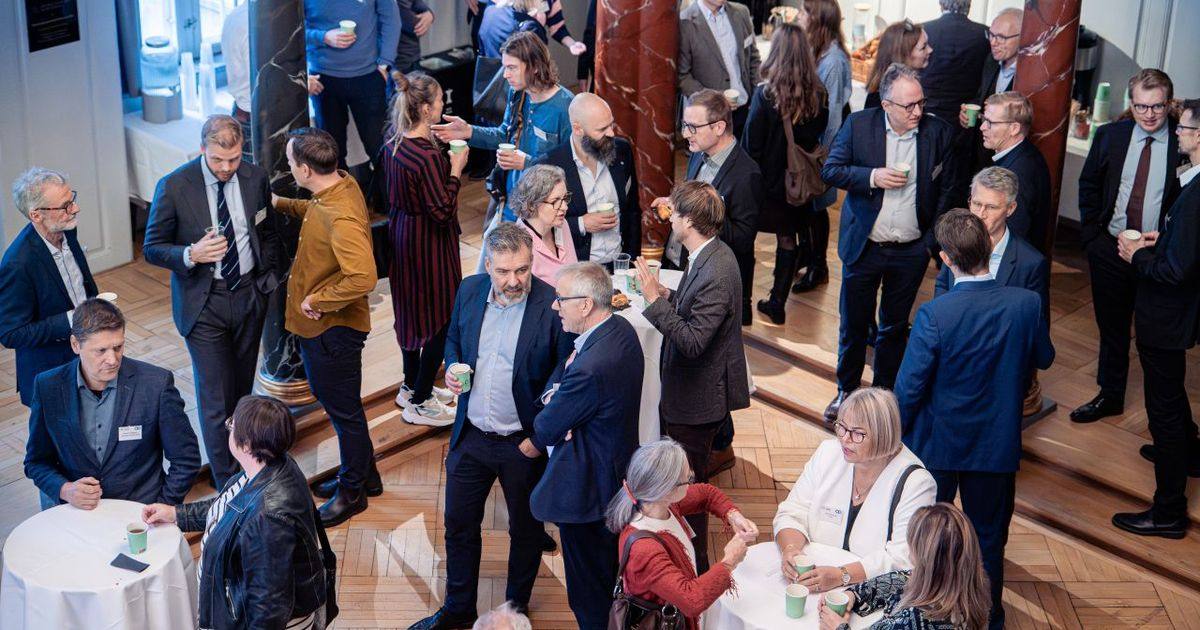
Three perspectives from the CAP conference in Copenhagen, 18 November 2026
Most people know the debate about the CAP, budgets and Ukrainian competition. But three points from the conference deserve particular attention from agricultural businesses.
1. Ukraine can both push down prices and lower costs
More Ukrainian soya and sunflower protein could strengthen Europe’s supply of protein feed and potentially reduce feed costs for livestock producers.
At the same time, European crop producers may face tougher competition.
What is interesting: Ukraine’s integration is neither clearly good nor clearly bad for agriculture. It depends on where in the value chain your business sits.
And Ukraine is already a customer of European suppliers of machinery, fertiliser and veterinary products, among others.
2. Europe does not just need innovation. We need speed.
Developing new plant varieties and other agricultural technologies can take many years. Rules, approvals and investments therefore need to be planned with a much longer horizon.
If requirements change faster than businesses can develop and implement solutions, we risk slowing down the very transition politicians want.
The question is not only what the EU wants to regulate – but how quickly businesses are given the chance to act.
3. Less dependence does not mean less trade
Europe depends on imported raw materials, energy, fertiliser and protein feed.
But greater security of supply is not necessarily about producing everything yourself. More suppliers, alternative trade routes and stronger international partnerships can be at least as important.
For agricultural leaders: How vulnerable is your business if a key supplier or trade route suddenly disappears?
What do we take to our next strategy meeting?
- Where will Ukraine’s integration create new opportunities – or competition – for our business specifically?
- Which investments are we postponing because of political uncertainty?
- Which critical inputs do we have too few alternative suppliers for?
This article is based on the discussions at the conference hosted by Think Tank EUROPA and the Danish Agriculture & Food Council on 18 November 2026, as well as subsequent expert perspectives. The EU’s future rules and Ukraine’s membership have not yet been decided.
Further reading
- European Commission: Preparing for a wider Union
- Council of the EU: negotiating position on the CAP after 2027
- Pierre-Marie Aubert: Perspectives on Ukraine’s integration
- Søren Halbye: Trade, innovation and competitiveness
More from DFA – in smaller bites
Follow us on LinkedIn and Facebook for practical insights from international agriculture.
Get DFA Intelligence straight to your inbox: Sign up for the newsletter.